Coldirodi, San Remo: Discover a Village Above the Italian Riviera

Credit: Sanremo storia e tradizioni

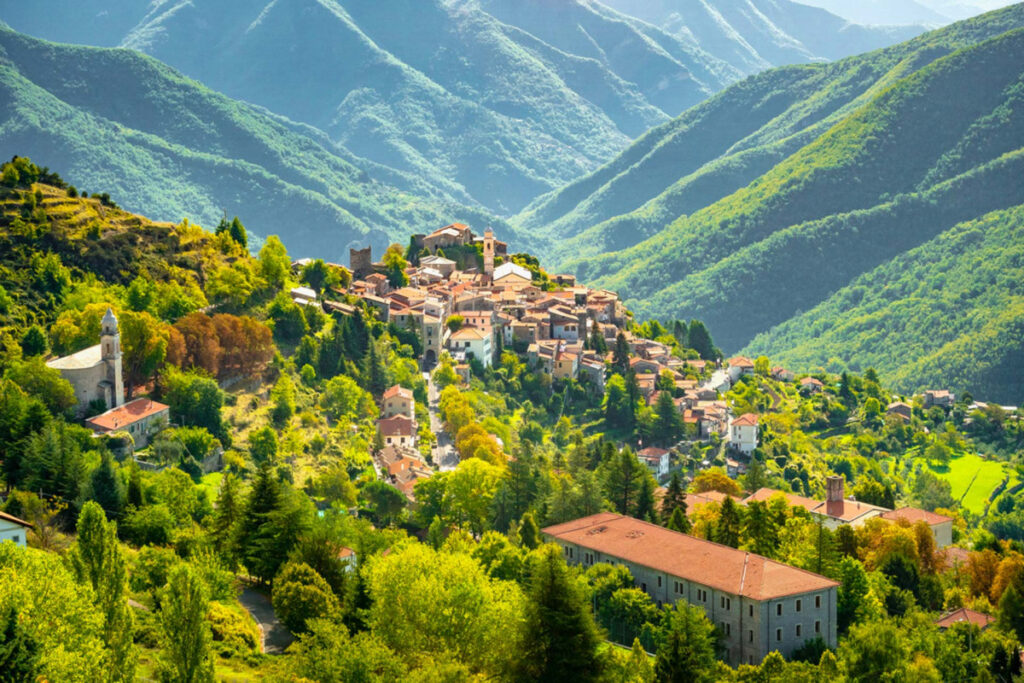
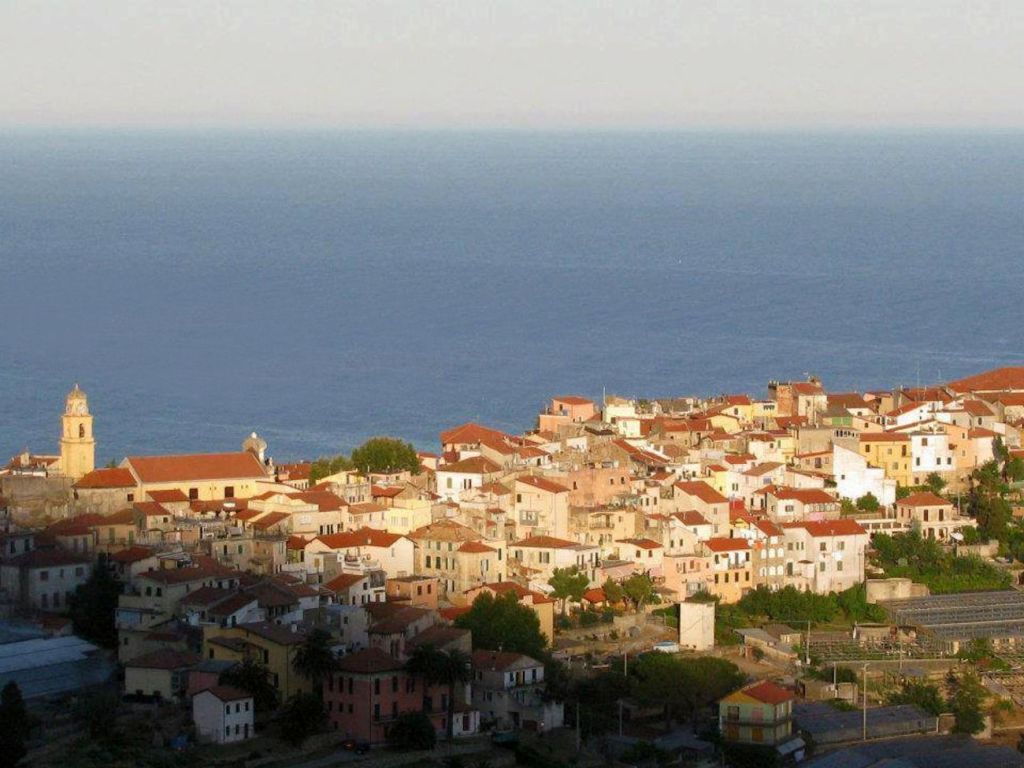
Just a few kilometres from the beaches and lively streets of San Remo, Coldirodi offers a surprisingly different atmosphere. Situated on a hillside overlooking the Mediterranean, this small Ligurian village has narrow streets, historic buildings, beautiful coastal views and a strong sense of local identity.

Coldirodi is not a major tourist destination, and that is precisely what makes it interesting. Life here follows a quieter rhythm, shaped by everyday routines, village traditions and a community that has maintained its own character over the centuries.

Whether you are exploring the lesser-known corners of the Italian Riviera or considering a home away from the busy seafront, Coldirodi is worth discovering.

Where Is Coldirodi?

Coldirodi is a historic hamlet of San Remo, situated approximately 254 metres above sea level, on the hills between San Remo and Ospedaletti.

The village is around 5 kilometres from central San Remo by road, while Ospedaletti lies directly below it, on the western side of the hill. Bordighera and the other coastal towns of western Liguria are also within easy reach by car.

This location is one of Coldirodi’s advantages. You can spend the morning by the sea, enjoy lunch in San Remo and return to the quieter atmosphere of a hillside village later in the day.

Coldirodi can be reached by car or by local bus from San Remo, although public transport schedules should be checked in advance.

The village was once known as La Colla and even enjoyed a period as an independent municipality before becoming part of Sanremo in 1956. Despite this administrative change, Coldirodi has retained a distinct identity that is still evident today.

What to See in Coldirodi

The pleasure of visiting Coldirodi begins with a walk through its historic centre.

The village developed along the ridge of the hill, creating a network of narrow streets, small squares and houses closely arranged around the old settlement. As you explore, the buildings occasionally give way to views of the surrounding countryside and the sea beyond.

At the centre of village life is Piazza San Sebastiano, overlooked by the parish church of the same name. The Church of San Sebastiano has origins dating back several centuries and remains an important landmark for the local community.
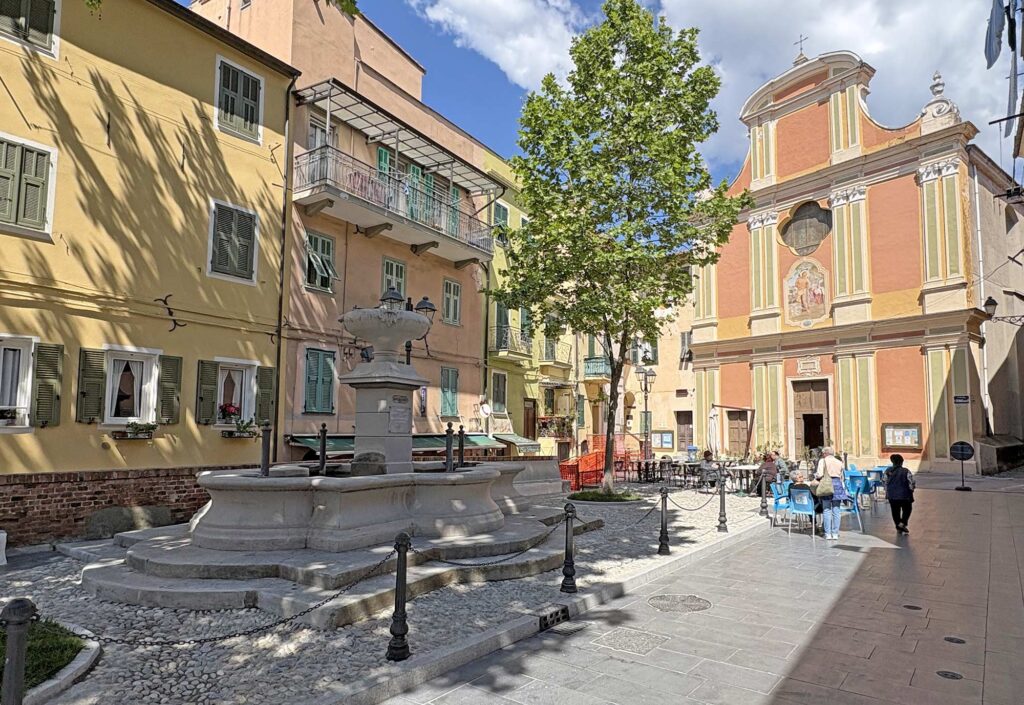
Piazza San Sebastiano

Rather than rushing through the village, take time to explore its streets and look for the architectural details that characterise traditional Ligurian settlements. Coldirodi is small enough to discover on foot, and its appeal lies as much in the atmosphere as in its individual monuments.

Pinacoteca Rambaldi: Art and History at Villa Luca
Credit: Ministero della Cultura

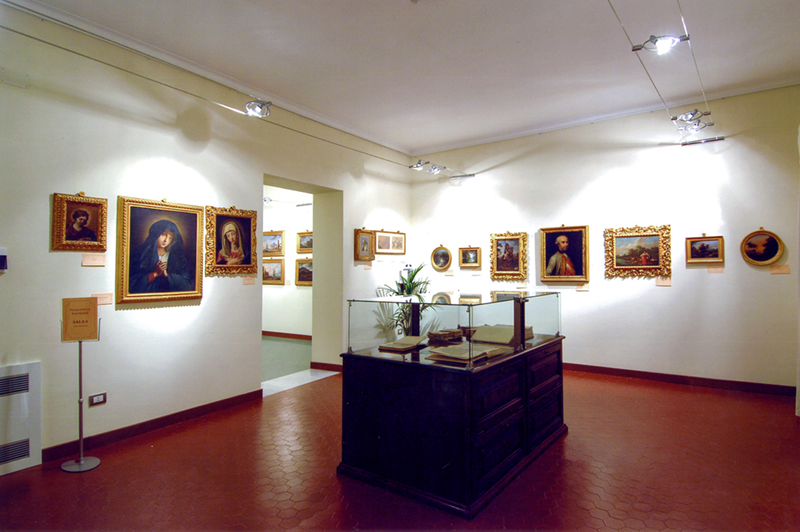
One of Coldirodi’s most interesting surprises is the Pinacoteca Rambaldi, an art museum housed in the elegant Villa Luca.

The collection originated with Paolo Stefano Rambaldi, a priest and scholar born in Coldirodi in 1803, who left his remarkable collection of artworks and books to his native community.

Today, the museum preserves approximately one hundred paintings dating from the 15th to the 19th centuries, alongside a historic library containing more than 5,000 volumes, including rare books and manuscripts.

It is an unexpected cultural attraction for a village of this size and a reminder that Coldirodi has a history extending well beyond its rural character.

Villa Luca is also surrounded by a terraced garden with views towards the coast, making it a particularly pleasant place to visit.

Before planning your visit, check the museum’s current opening times, as access is limited to specific days and hours.

Beautiful Views Between the Sea and the Hills

One of Coldirodi’s most appealing characteristics is its position overlooking the surrounding landscape.
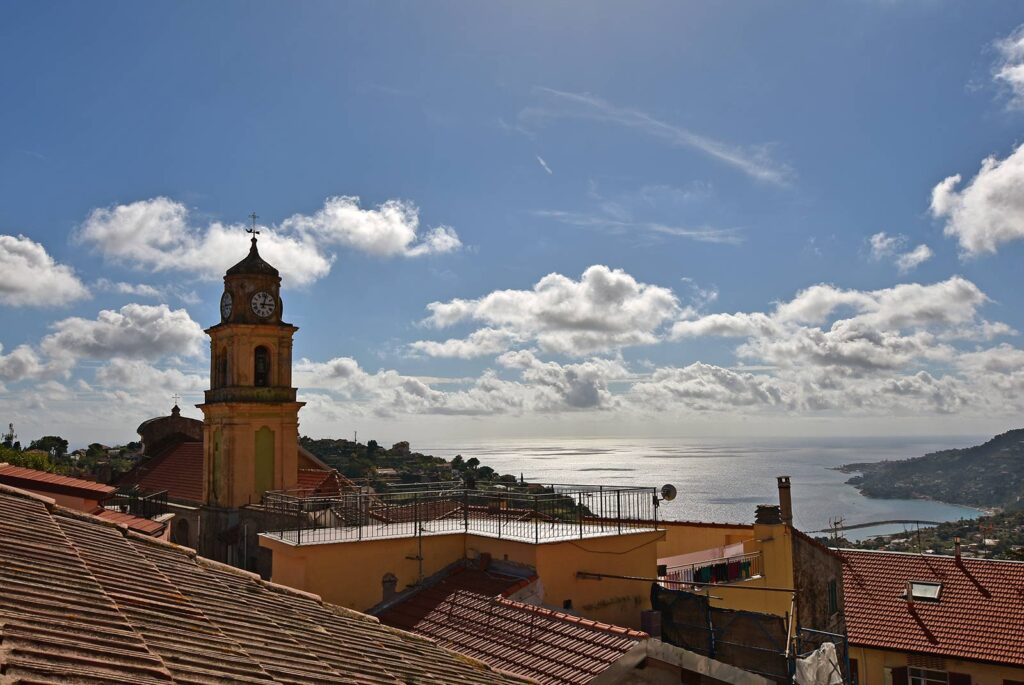
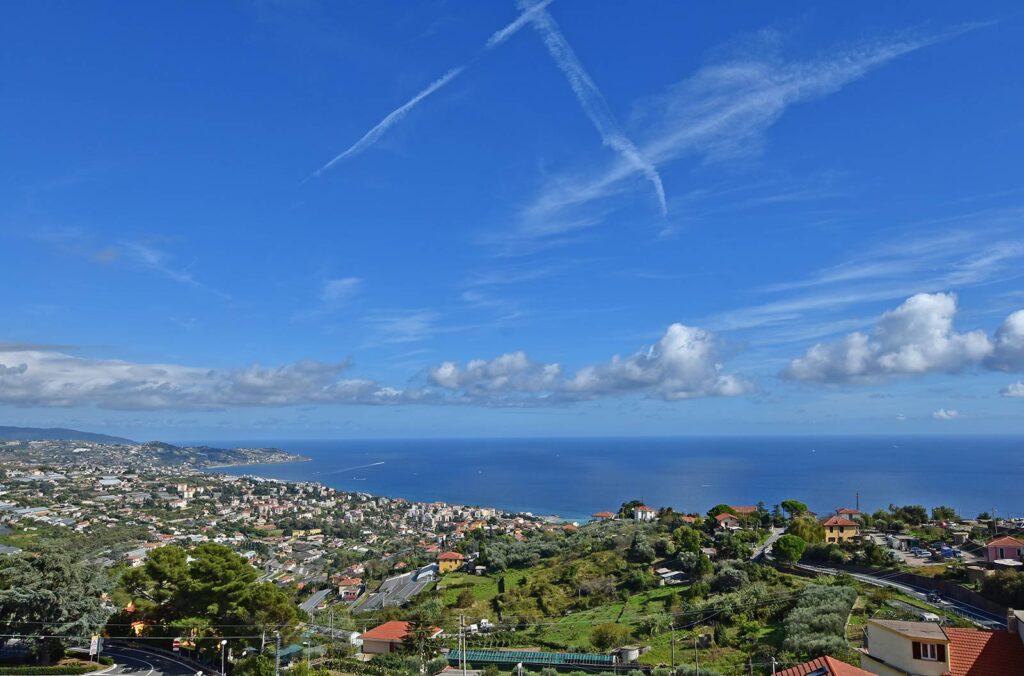
Bay of Ospedaletti

From different points around the village, the views extend towards the Bay of Ospedaletti, San Remo and the green hills that rise behind the coast.
Bay of San Remo

The panorama changes as you move through the village. Some streets open towards the sea, while others look across the countryside, where terraces and Mediterranean vegetation remain characteristic features of the landscape.

The gardens of Villa Luca provide another opportunity to appreciate the setting.

For visitors, these views are part of the pleasure of discovering Coldirodi. For those considering buying a property here, they can also be an important attraction, particularly when a house or apartment benefits from a well-positioned terrace or outdoor space.

Naturally, not every property in Coldirodi has a sea view. Orientation, position and the surrounding buildings all make a difference.

Everyday Life in Coldirodi

What distinguishes Coldirodi from many picturesque villages is that it remains a functioning residential community.

There is a supermarket, a pharmacy, local bars and places to eat, together with a primary school and a lower secondary school. These everyday facilities make the village more practical than its hillside setting might initially suggest.

The pace of life is different from central San Remo. The village square, local businesses and familiar faces are part of the daily routine, particularly outside the summer tourist season.

For a wider choice of shops, restaurants, entertainment and other services, San Remo is only a short drive away. The city offers a lively cultural calendar, excellent sporting opportunities and a wide range of activities throughout the year. You can discover more about living in San Remo in our dedicated article.

This balance between village life and access to a larger coastal town can be particularly appealing to international buyers looking for somewhere to spend extended holidays or several months of the year.

Continue reading Coldirodi, San Remo: Discover a Village Above the Italian Riviera →
How Much Can You Negotiate Off the Asking Price of a Property in Italy?

One of the first questions international buyers ask when they find the right home in Italy is: how much should I offer below the asking price?

The short answer is that property prices in Italy are often negotiable, but there is no standard discount.

Offering 10% less simply because you are buying in Italy is not a negotiation strategy. On one property, a 10% reduction may be perfectly reasonable. On another, even 5% may be unrealistic. And for a correctly priced property in a competitive location, the asking price itself may be the right price.

The key is understanding the difference between the asking price and the actual market value of that particular property.

Is it normal to negotiate property prices in Italy?

Yes. Negotiation is a normal part of many Italian property transactions.

However, this does not mean that every seller deliberately adds a large negotiating margin to the asking price.

A professionally valued property may already be positioned very close to its expected selling price. Another property may have been placed on the market at an optimistic price and therefore leave considerably more room for negotiation.

This is why applying the same percentage to every property rarely works.

The better question is not:

“How much can I get off the asking price?”

It is:

“What is this property realistically worth in today’s market?”

Is offering 10% below the asking price reasonable?

Sometimes. But 10% should never be treated as an automatic starting point.

Consider a property offered at €600.000.

An offer of €570.000 might be taken seriously if the property is correctly priced and has recently come onto the market. An offer of €540.000 might make sense if there is evidence that the asking price is too high, the property requires substantial work or it has been available for a long period.

On the other hand, if the €600.000 property is unusual, well priced and attracting several interested buyers, offering €540.000 simply because “buyers negotiate in Italy” could mean losing the property altogether.

The percentage tells you very little without the context behind it.

Recent data from the Bank of Italy supports this more cautious approach: in the second quarter of 2026, average discounts on asking prices remained broadly stable at their lowest levels since the survey began. This is another reason why applying a standard discount percentage to every property can be misleading.

Continue reading How Much Can You Negotiate Off the Asking Price of a Property in Italy? →

Buying Property in Italy and Inheritance Tax: a Guide for International Buyers

Buying a home in Italy is often a lifestyle decision, but for many international families it is also a long-term estate planning decision. Understanding how inheritance tax works in Italy can therefore be useful before purchasing a second home or family property.

Italy is often seen as a complex country from a tax point of view. However, when it comes to inheritance tax for spouses and children, the Italian system can be more favourable than many international buyers expect.

This article explains the main inheritance tax rules in Italy, how they compare with other European countries, and which additional taxes may apply when inheriting Italian real estate.

For a broader overview of the purchase process, you can also read our guide to Buying in Italy.


How Italian inheritance tax works for spouses and children

In Italy, inheritance tax depends on the relationship between the deceased person and the heir. For transfers in favour of a spouse or direct relatives, such as children, parents or grandchildren, the inheritance tax rate is 4%. However, each beneficiary has a personal allowance of Euro 1.000.000.

This means that if a parent leaves assets worth up to Euro 1.000.000 to one child, no Italian inheritance tax is due on that transfer. The 4% tax applies only to the amount exceeding that threshold.

For example, if a child inherits Euro 1.200.000 from one parent, the taxable amount would generally be Euro 200.000, with inheritance tax calculated at 4% on that excess amount.


Italy compared with other European countries

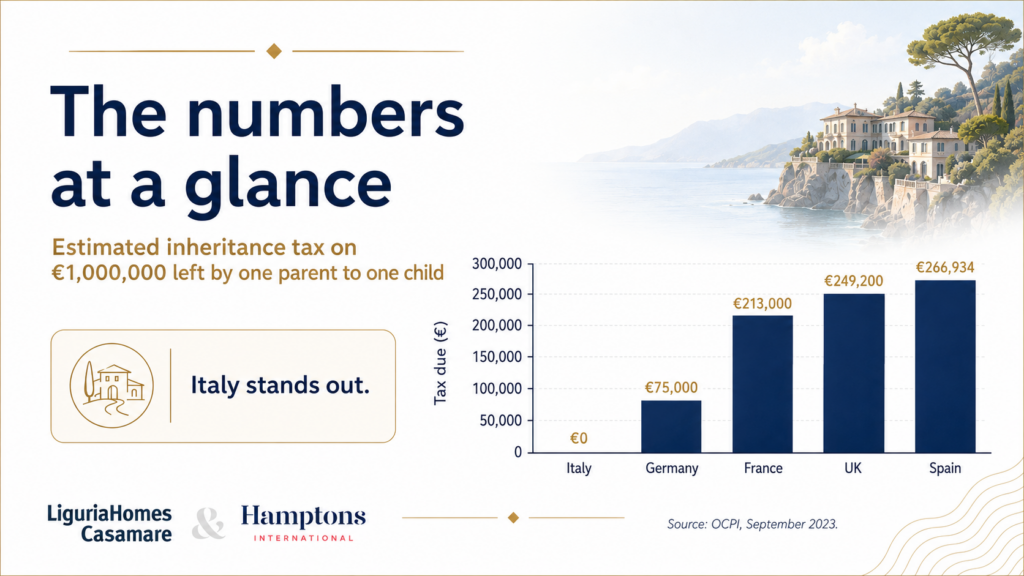
A 2023 analysis by OCPI, the Observatory on Italian Public Accounts, compared inheritance tax in several European countries using a simple example: Euro 1.000.000 left by one parent to one child.

The estimated inheritance tax was:

  • Italy: Euro 0
  • Germany: Euro 75.000
  • France: Euro 213.000
  • United Kingdom: Euro 249.200
  • Spain: Euro 266.934

This comparison does not mean that Italy has no inheritance tax in every situation. It means that, in this specific example, the Italian allowance for direct heirs is high enough to avoid inheritance tax completely.

For international buyers purchasing a second home or family property in Italy, this is an important point to understand.


Why this matters for UK, Irish and Scandinavian buyers

For UK buyers, inheritance tax is often a key planning issue. In the United Kingdom, inheritance tax is generally charged at 40% on the part of the estate above the available tax-free threshold, although allowances and reliefs may apply.

For Irish buyers, the Irish Capital Acquisitions Tax system should also be considered. Gifts and inheritances received by children from parents benefit from a specific threshold, but tax may apply above that amount.

Scandinavian buyers have different starting points. Sweden and Norway do not currently have inheritance tax, while Denmark still applies estate taxation in certain cases.

This is why each buyer’s country of residence and personal situation matter. A property located in Italy will require Italian succession formalities, but the buyer’s home country rules may also be relevant.

International buyers should also consider the tax rules of their country of residence, as cross-border inheritance situations may involve more than one jurisdiction.


Inheriting property in Italy: other taxes to consider

A common misunderstanding is to think that if no Italian inheritance tax is due, there are no costs at all. That is not correct.

When an estate includes Italian real estate, other property-related taxes are normally due, even if inheritance tax itself is not payable because of the Euro 1.000.000 allowance.

The main taxes are:

  • Imposta ipotecaria, mortgage tax, generally 2% of the cadastral value of the property.
  • Imposta catastale, cadastral tax, generally 1% of the cadastral value of the property.

These taxes are connected to the transfer and registration of the property in the Italian land and cadastral registers.

If the heir qualifies for Italian “prima casa” benefits, these taxes may be reduced to fixed amounts, generally Euro 200 each. This must always be verified with a notary or qualified tax adviser.

There may also be administrative charges, stamp duties and professional fees connected to the succession declaration.

Continue reading Buying Property in Italy and Inheritance Tax: a Guide for International Buyers →

Valle Argentina: Liguria’s Authentic Outdoor Lifestyle Between Mountains and Sea

From 5th to 7th June 2026, Festivalle Argentina will bring outdoor sports, nature and local culture to Molini di Triora, in the heart of one of Western Liguria’s most authentic valleys.

For many international visitors, it will be an opportunity to discover a side of Liguria that still feels genuine, quiet and deeply connected to its landscape. Valle Argentina is a valley of mountain trails, medieval villages, olive groves, rivers and stone houses, just a short drive from the beaches of the Riviera.

Festivalle Argentina is the perfect editorial starting point to look at this area not only as a destination for outdoor activities, but also as an emerging lifestyle location for those who want to experience Liguria in a more active and authentic way.

Discovering Valle Argentina, One of Western Liguria’s Most Authentic Valleys

Valle Argentina follows the course of the Argentina River from the Ligurian Alps down towards the Mediterranean coast. Along the way, it passes through a landscape of forests, terraced hillsides, historic villages and panoramic mountain roads.

Places such as Molini di Triora, Badalucco, Montalto Carpasio and Taggia reveal a different rhythm of life. Here, the connection between people, nature and local traditions remains strong. The villages are made of narrow stone streets, ancient houses, small squares and family run restaurants where Ligurian cuisine is still linked to the territory.

The valley is also part of the wider identity of the Italian Riviera. This is what makes it so interesting for international buyers and travellers. In less than an hour, it is possible to move from mountain trails and quiet inland villages to the sea, the cycle path, marinas, beaches and the lively coastal towns of Western Liguria.

It is this contrast, and this proximity, that gives Valle Argentina its growing appeal.

An Outdoor Lifestyle Destination in Liguria

Valle Argentina is becoming increasingly attractive for people who love outdoor living. Its natural setting offers ideal conditions for mountain biking, e biking, trail running, trekking, climbing and canyoning, with routes that pass-through forests, rivers, ridges and historic mule tracks.

For mountain bikers and e bike enthusiasts, the valley offers a varied terrain, from scenic routes through olive groves and villages to more technical trails in the higher part of the valley. Trail runners and hikers find an extensive network of paths, often with remarkable views over both the mountains and the sea.

The area also has a strong appeal for those who enjoy slower forms of exploration. Walking from one village to another, discovering old chapels, stone bridges, panoramic viewpoints and small local restaurants is part of the experience.

Compared with more established outdoor destinations, Valle Argentina still has a more intimate and understated character. It feels less exposed, less commercial and more closely tied to the daily life of the territory. For many people, this is exactly its strength.

Continue reading Valle Argentina: Liguria’s Authentic Outdoor Lifestyle Between Mountains and Sea →

Garlenda Golf Club Properties for Sale: Exclusive Living on the Italian Riviera

For many international buyers, owning a property within a golf community is about much more than access to the course. It is a lifestyle choice that combines privacy, security, natural surroundings and a relaxed pace of life, all within a well maintained residential environment.

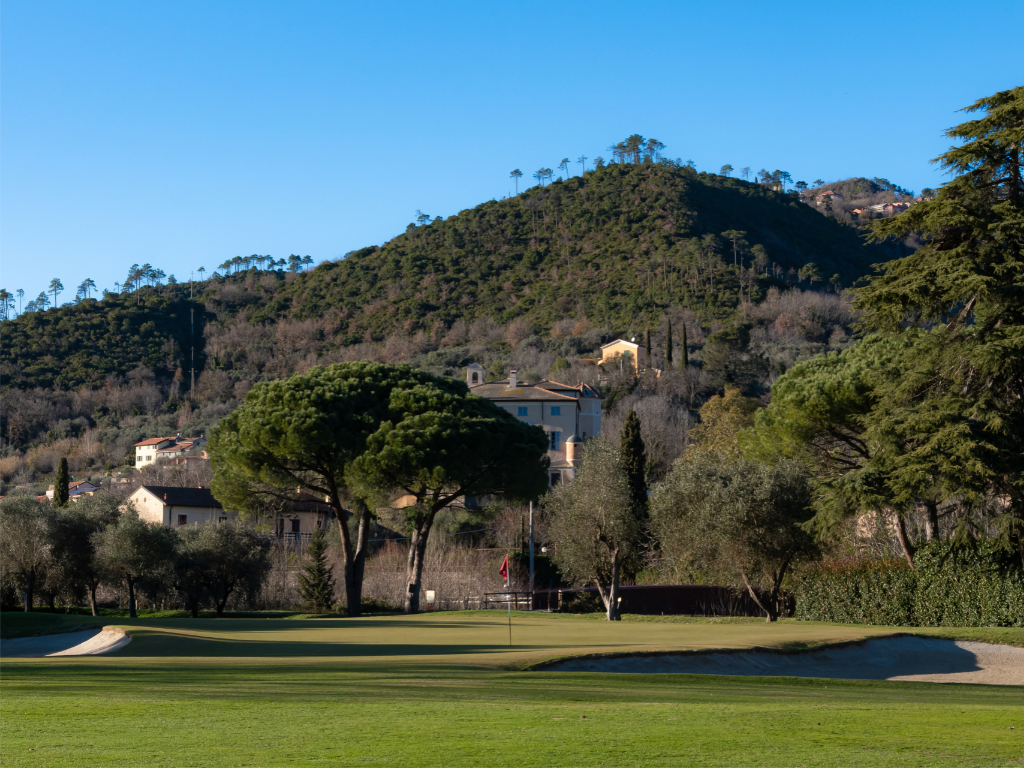
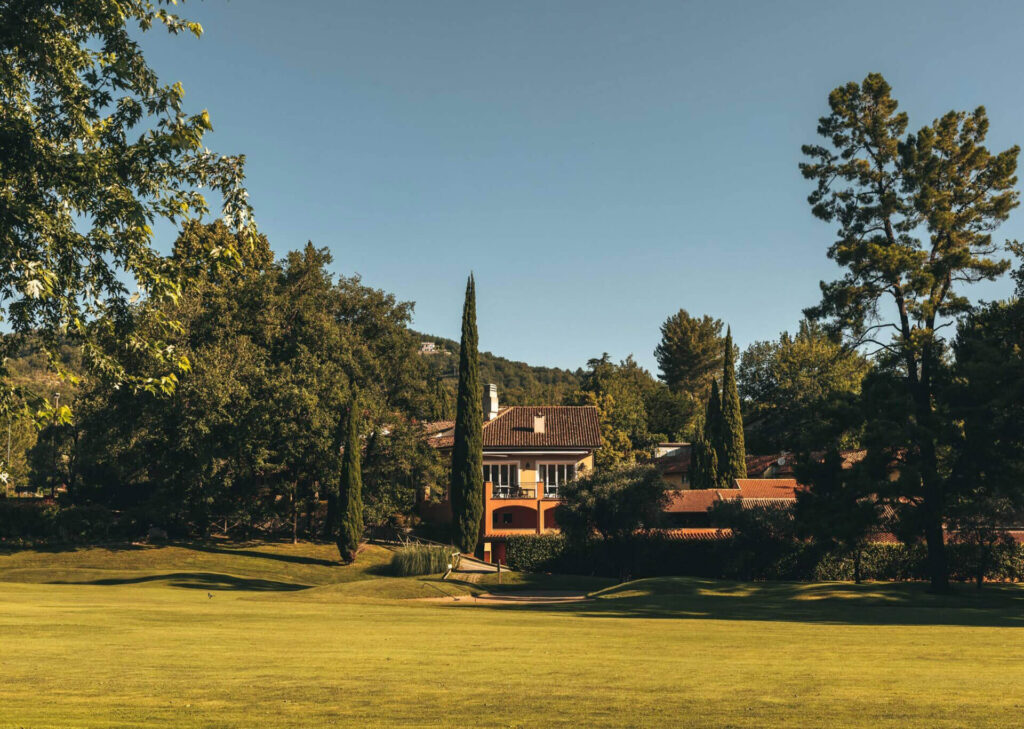
In Liguria, few locations offer this combination as successfully as the area surrounding the prestigious Garlenda Golf Club. Nestled among the rolling hills of Western Liguria and just a short drive from the Mediterranean coast, Garlenda has become one of the region’s most sought after destinations for golf enthusiasts and property buyers looking for an authentic Italian lifestyle.

Why Buy a Property in a Golf Community?

Golf communities continue to attract buyers from across Europe thanks to the unique lifestyle they offer. Beyond the sporting aspect, these environments are appreciated for their tranquillity, open spaces and strong sense of community. Unlike many busy coastal resorts, living within a golf club allows residents to enjoy privacy and greenery while remaining close to restaurants, beaches, marinas and everyday services. This balance between convenience and tranquillity is one of the main reasons why golf properties remain highly desirable among second home buyers and retirees alike.
In Liguria, these advantages are complemented by a mild climate, beautiful landscapes and easy access from major European cities, making the region particularly attractive for year round living as well as holiday use.

Continue reading Garlenda Golf Club Properties for Sale: Exclusive Living on the Italian Riviera →

Liguria, Italy’s Blue Flag Leader Once Again

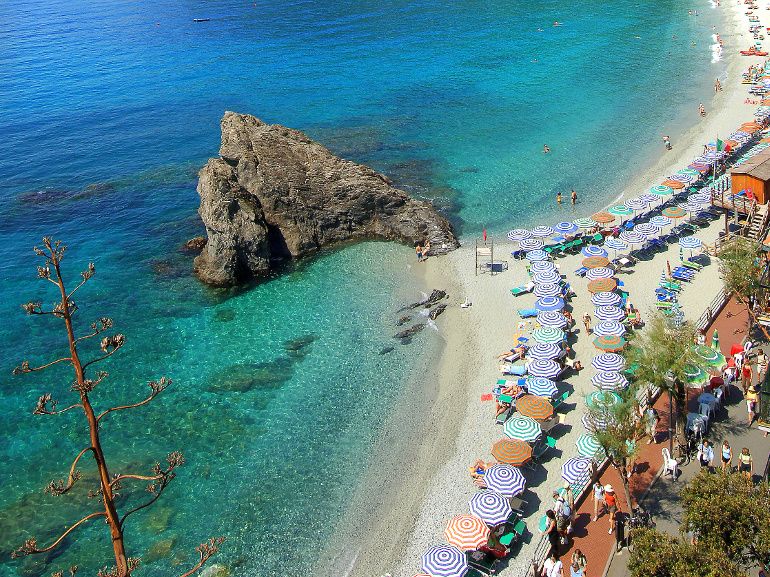
Once again, Liguria confirms its position as one of Italy’s finest coastal destinations. In the 2026 edition of the Blue Flag awards, Italy reached a record 257 awarded municipalities, with 84 more beaches recognised compared to the previous year.

Liguria remains firmly in first place with 35 Blue Flag municipalities, ahead of Puglia and Calabria (27 each), Campania (20), Marche (20) and Tuscany (19). This achievement reflects a long term commitment to environmental quality, sustainable tourism and coastal management, factors that continue to strengthen the region’s appeal among residents, visitors and international property buyers.

Credit: La mia Liguria

The result is particularly significant for the Italian Riviera, where the sea is not simply a summer attraction, but an essential part of local identity, daily life and long term appeal. For those looking for a second home by the sea, the Blue Flag recognition offers a clear sign of environmental quality, services and responsible coastal management.

What Does the Blue Flag Award Mean?

The Blue Flag (Bandiera Blu) is an internationally recognised environmental certification awarded by the Foundation for Environmental Education (FEE). The programme evaluates coastal destinations based on a wide range of criteria, including water quality, environmental management, public services, sustainability initiatives, safety and accessibility.

The award is not based solely on clean water. Municipalities must demonstrate long term commitment to environmental protection, efficient waste management, sustainable mobility and the overall quality of the visitor experience. More than 30 criteria are assessed and regularly updated to reflect evolving environmental standards.

For homeowners and property investors, the Blue Flag often serves as an indicator of a well managed destination that is likely to maintain its appeal and value over time.

The Awarded Beaches of West Liguria

In 2026, West Liguria once again plays a leading role. In the province of Imperia, eight municipalities received the Blue Flag: Bordighera, San Remo, Riva Ligure, Santo Stefano al Mare, San Lorenzo al Mare, Imperia, Diano Marina and Taggia. The return of Taggia is one of the new entries of the year, further strengthening the Riviera dei Fiori among Italy’s most appreciated coastal areas.

San Remo confirms several awarded beaches, including Tre Ponti, Imperatrice, Bussana, Baia Capo Pino and Tiro a Volo, together with the prestigious Portosole marina. Bordighera, Santo Stefano al Mare, San Lorenzo al Mare, Imperia and Diano Marina also continue to represent the high standards of the western Italian Riviera.

Further along the Ponente coastline, the province of Savona also confirms its strength, with destinations such as Andora, Laigueglia, Loano, Finale Ligure, Noli, Spotorno, Celle Ligure and Varazze. Andora is another 2026 new entry, adding further value to an already highly regarded stretch of the Ligurian coast.

Continue reading Liguria, Italy’s Blue Flag Leader Once Again →