Dolceacqua, Italy: What to See, History and Local Life

Credit: Expedia

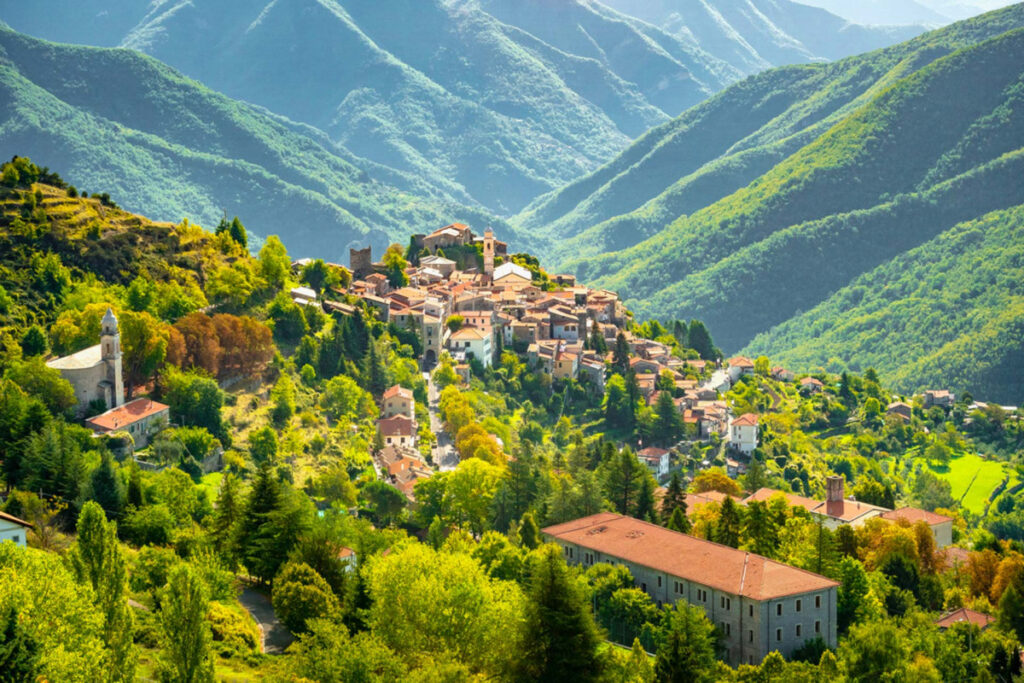
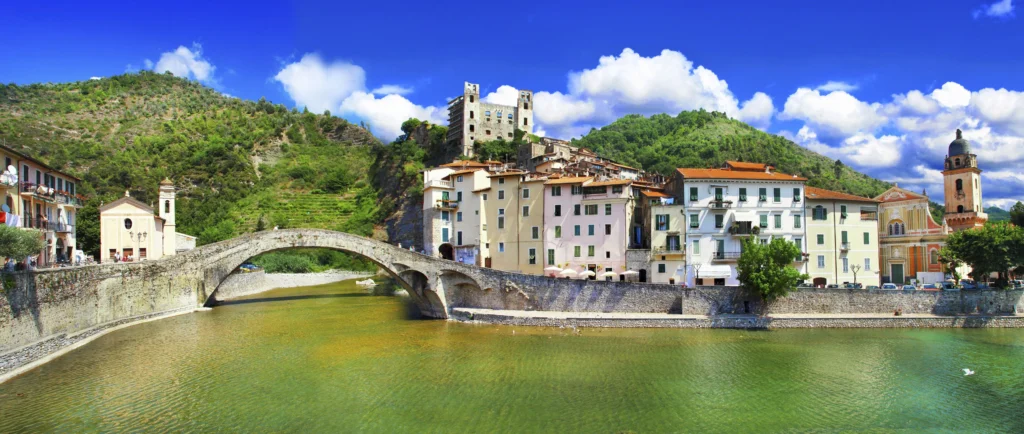
Just a short drive inland from the beaches of the Italian Riviera, Dolceacqua offers a different side of Liguria. Stone houses climb towards a medieval castle, narrow passageways disappear beneath ancient buildings, and an elegant arched bridge crosses the Nervia stream.

This village has attracted travellers and artists for generations, most famously Claude Monet, who visited in 1884. Yet Dolceacqua is more than a picturesque place to photograph. It remains a lively community, shaped by centuries of history, local traditions, food, wine and an active calendar of cultural events.

Where is Dolceacqua?

Dolceacqua lies in the Nervia Valley, in the province of Imperia, Western Liguria, approximately 10 kilometres inland from the Mediterranean coast.

The village is around 10 kilometres from Ventimiglia, 13 kilometres from Bordighera and 25 kilometres from Sanremo. Nice Côte d’Azur International Airport is approximately 50 kilometres away, making Dolceacqua accessible from both the Italian and French Rivieras.

A medieval village shaped by the Doria family

Dolceacqua’s history is closely connected to the powerful Doria family, one of medieval Liguria’s most influential noble families.

The village and castle appear in records dating back to the 12th century. In 1270, Oberto Doria acquired the local feudal territory, beginning a period that would shape the village’s architecture and identity.

Today, Dolceacqua is divided into two neighbourhoods: Terra, the oldest part beneath the castle, and Borgo, which developed across the Nervia stream.

Castello dei Doria
Credit: Wikipedia

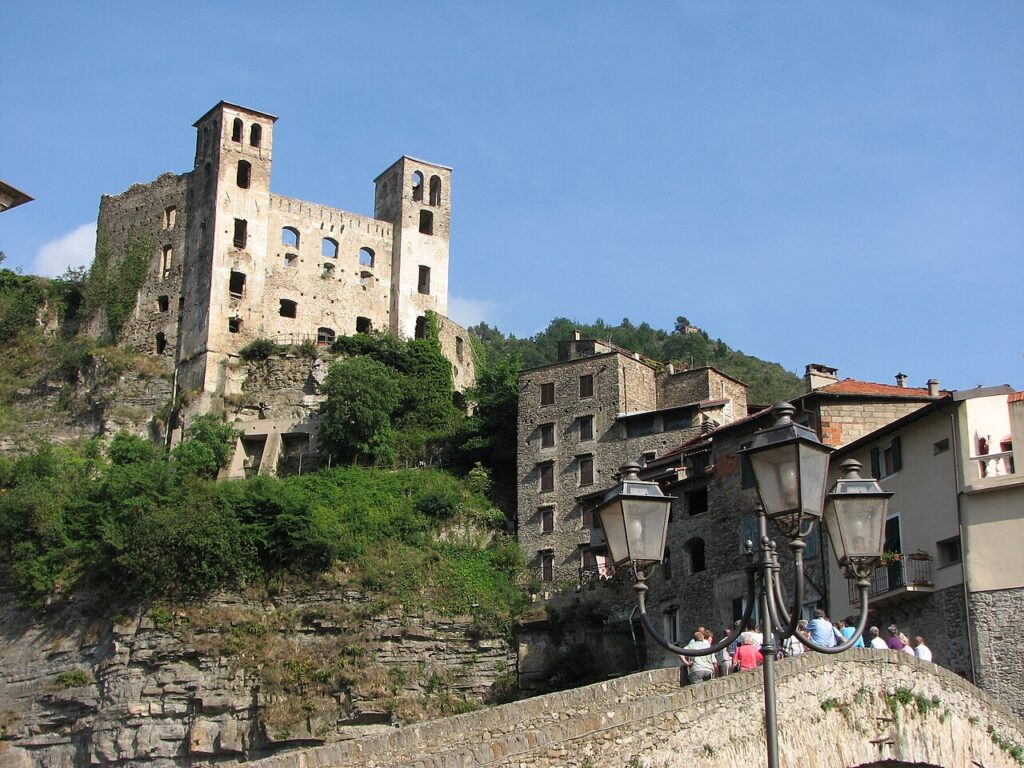
Dominating the rooftops, the Doria Castle began as a medieval fortress before developing into a fortified aristocratic residence.

The restored complex now houses historical exhibitions and multimedia installations, offering visitors an insight into the village’s past alongside panoramic views across the Nervia Valley.

Dolceacqua and Monaco: five centuries of shared history

Few visitors realise that Dolceacqua has a remarkable historical connection with the Principality of Monaco.

On 3 November 1523, representatives of Dolceacqua and neighbouring communities pledged allegiance to Bartolomeo Grimaldi in Monaco, following a turbulent period of conflict involving the Doria and Grimaldi families.

Exactly 500 years later, on 3 November 2023, Dolceacqua and Monaco formally signed a twinning agreement, celebrating their historical ties.

The occasion included the donation of an organ from Monaco to Dolceacqua’s Church of San Giorgio and the planting of an olive tree originating from Monaco’s Parc Princesse Antoinette.

This connection offers an unexpected glimpse into the intertwined history of these two Mediterranean communities.

The bridge that fascinated Claude Monet

The Ponte Vecchio is undoubtedly Dolceacqua’s most recognisable landmark.

Its single stone arch, spanning approximately 33 metres, connects the Terra with the Borgo and has inspired generations of artists.

Among them was Claude Monet, who explored the Riviera in 1884 after an earlier journey with Pierre-Auguste Renoir.

Monet was particularly struck by the village’s bridge and castle, describing the bridge in his correspondence as a jewel of lightness. His paintings, including Le Château de Dolceacqua, immortalised a scene that remains remarkably familiar today.

In 2019, his work returned temporarily to Dolceacqua for a special exhibition at the Doria Castle, part of the cultural initiative Monet Returns to the Riviera.

Exploring the historic Terra
Credit: Sanremo.it

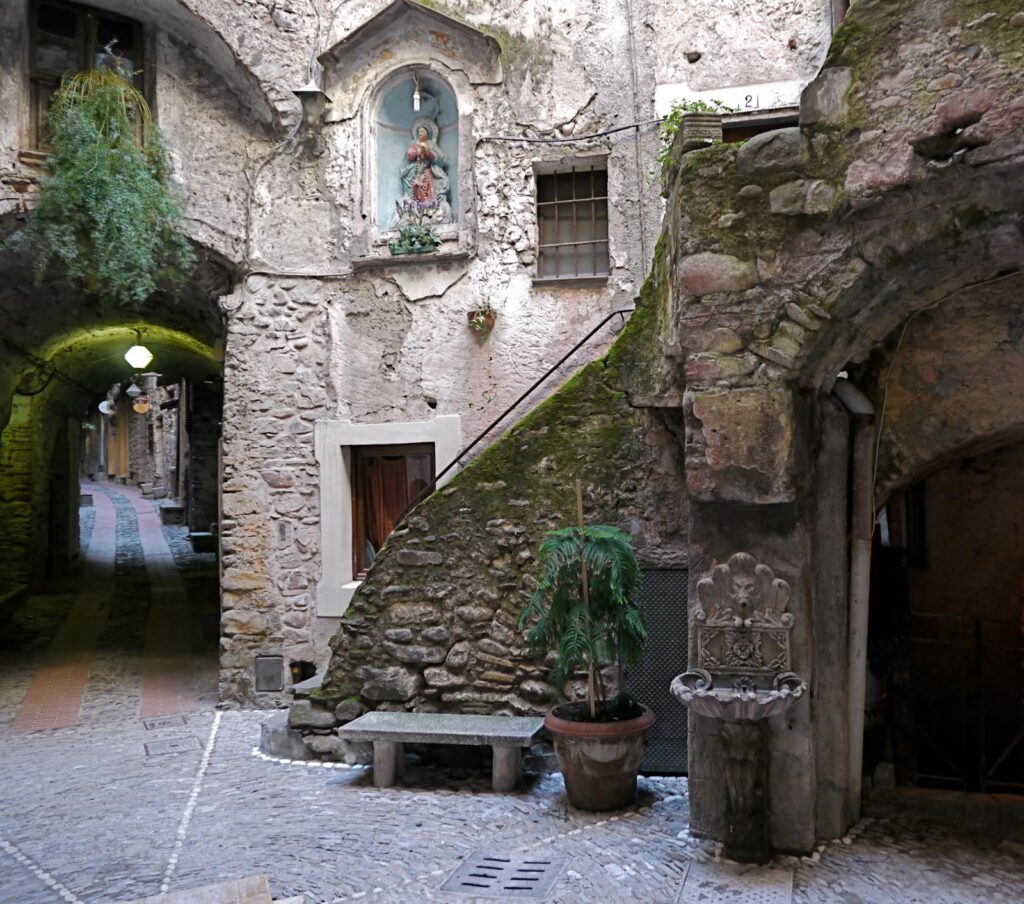
Crossing the bridge into the Terra reveals a fascinating network of carugi, narrow stone streets connected by staircases and covered passageways.

The route climbs towards the castle, passing small squares, historic doorways and occasional glimpses across the rooftops.

Among the village’s artistic treasures is a 16th-century polyptych by Ludovico Brea, featuring Saint Devota, patron saint of Monaco, preserved in the Church of Sant’Antonio Abate.

Dolceacqua also has a quieter artistic side, with local galleries and the Giovanni Morscio Art Gallery offering further reasons to explore beyond its famous monuments.

Rossese di Dolceacqua and local gastronomy
Credit: Cooperativa Omnia

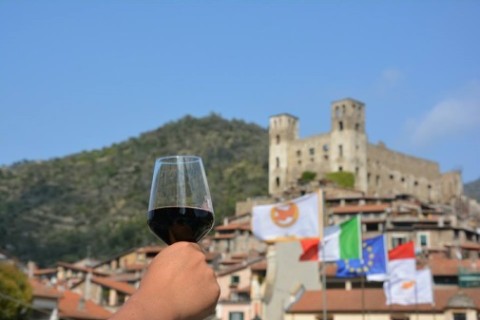
The landscape surrounding Dolceacqua is characterised by olive groves and terraced vineyards producing Rossese di Dolceacqua DOC, one of Liguria’s most distinctive red wines.

Generally lighter and more elegant than many Italian reds, Rossese is appreciated for its red-fruit character, delicate spice and freshness.

Visiting a local winery is an excellent way to discover this wine and the agricultural traditions of the Nervia Valley. Producers include Terre Bianche, Altavia, Testalonga and the Maixei cooperative.

Local cuisine is equally rooted in the countryside. Traditional specialities include barbagiuai, fried pastry parcels filled with pumpkin and other ingredients, ravioli c’ù pesigu, handmade pasta closed with a characteristic pinch, and coniglio alla ligure, often prepared with Rossese wine and olives.

Continue reading Dolceacqua, Italy: What to See, History and Local Life →
Coldirodi, San Remo: Discover a Village Above the Italian Riviera

Credit: Sanremo storia e tradizioni

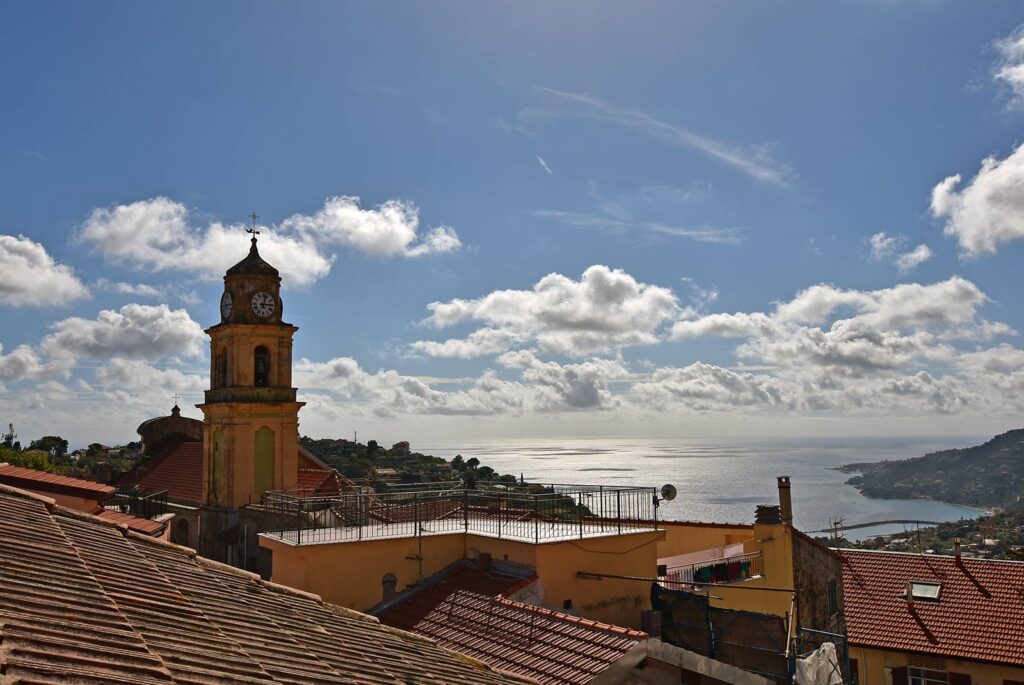
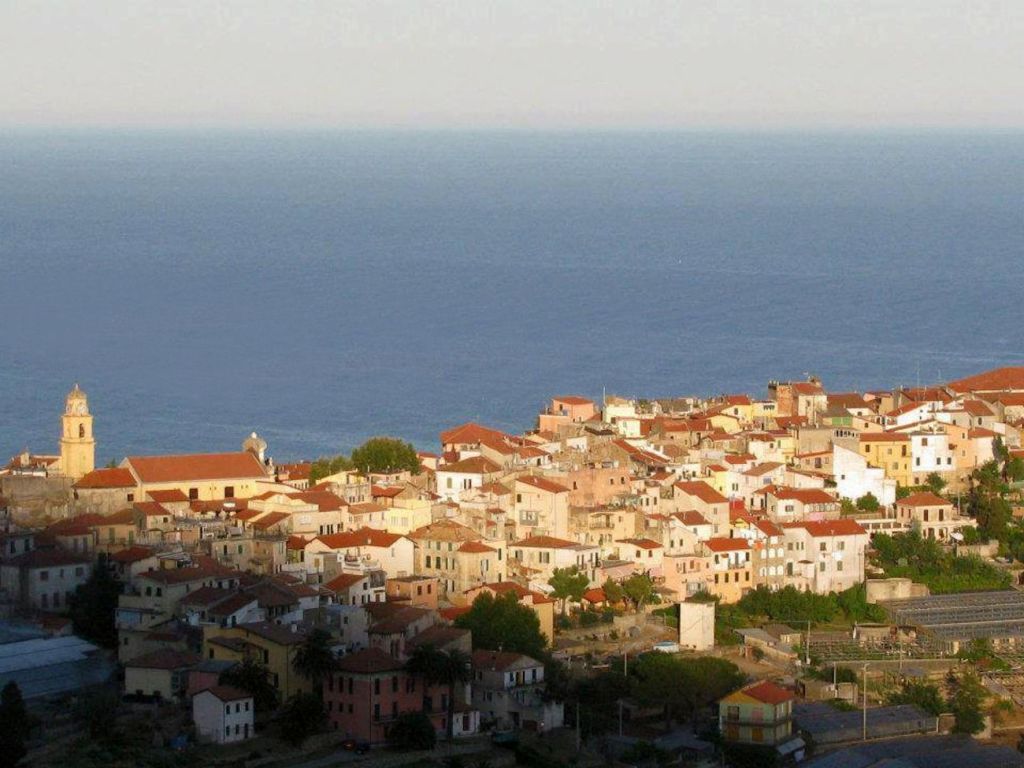
Just a few kilometres from the beaches and lively streets of San Remo, Coldirodi offers a surprisingly different atmosphere. Situated on a hillside overlooking the Mediterranean, this small Ligurian village has narrow streets, historic buildings, beautiful coastal views and a strong sense of local identity.

Coldirodi is not a major tourist destination, and that is precisely what makes it interesting. Life here follows a quieter rhythm, shaped by everyday routines, village traditions and a community that has maintained its own character over the centuries.

Whether you are exploring the lesser-known corners of the Italian Riviera or considering a home away from the busy seafront, Coldirodi is worth discovering.

Where Is Coldirodi?

Coldirodi is a historic hamlet of San Remo, situated approximately 254 metres above sea level, on the hills between San Remo and Ospedaletti.

The village is around 5 kilometres from central San Remo by road, while Ospedaletti lies directly below it, on the western side of the hill. Bordighera and the other coastal towns of western Liguria are also within easy reach by car.

This location is one of Coldirodi’s advantages. You can spend the morning by the sea, enjoy lunch in San Remo and return to the quieter atmosphere of a hillside village later in the day.

Coldirodi can be reached by car or by local bus from San Remo, although public transport schedules should be checked in advance.

The village was once known as La Colla and even enjoyed a period as an independent municipality before becoming part of Sanremo in 1956. Despite this administrative change, Coldirodi has retained a distinct identity that is still evident today.

What to See in Coldirodi

The pleasure of visiting Coldirodi begins with a walk through its historic centre.

The village developed along the ridge of the hill, creating a network of narrow streets, small squares and houses closely arranged around the old settlement. As you explore, the buildings occasionally give way to views of the surrounding countryside and the sea beyond.

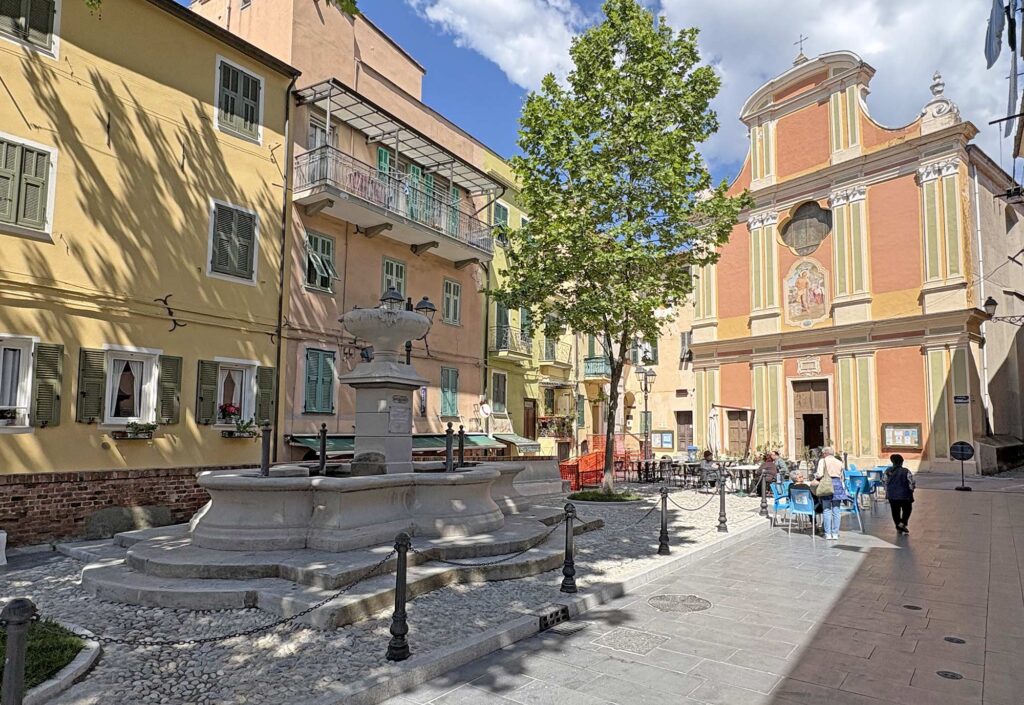
At the centre of village life is Piazza San Sebastiano, overlooked by the parish church of the same name. The Church of San Sebastiano has origins dating back several centuries and remains an important landmark for the local community.

Piazza San Sebastiano

Rather than rushing through the village, take time to explore its streets and look for the architectural details that characterise traditional Ligurian settlements. Coldirodi is small enough to discover on foot, and its appeal lies as much in the atmosphere as in its individual monuments.

Pinacoteca Rambaldi: Art and History at Villa Luca

Credit: Ministero della Cultura

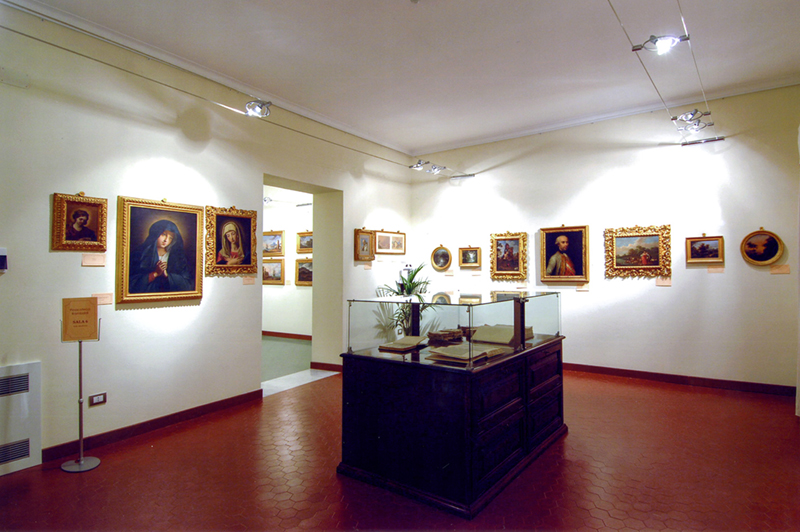
One of Coldirodi’s most interesting surprises is the Pinacoteca Rambaldi, an art museum housed in the elegant Villa Luca.

The collection originated with Paolo Stefano Rambaldi, a priest and scholar born in Coldirodi in 1803, who left his remarkable collection of artworks and books to his native community.

Today, the museum preserves approximately one hundred paintings dating from the 15th to the 19th centuries, alongside a historic library containing more than 5,000 volumes, including rare books and manuscripts.

It is an unexpected cultural attraction for a village of this size and a reminder that Coldirodi has a history extending well beyond its rural character.

Villa Luca is also surrounded by a terraced garden with views towards the coast, making it a particularly pleasant place to visit.

Before planning your visit, check the museum’s current opening times, as access is limited to specific days and hours.

Beautiful Views Between the Sea and the Hills

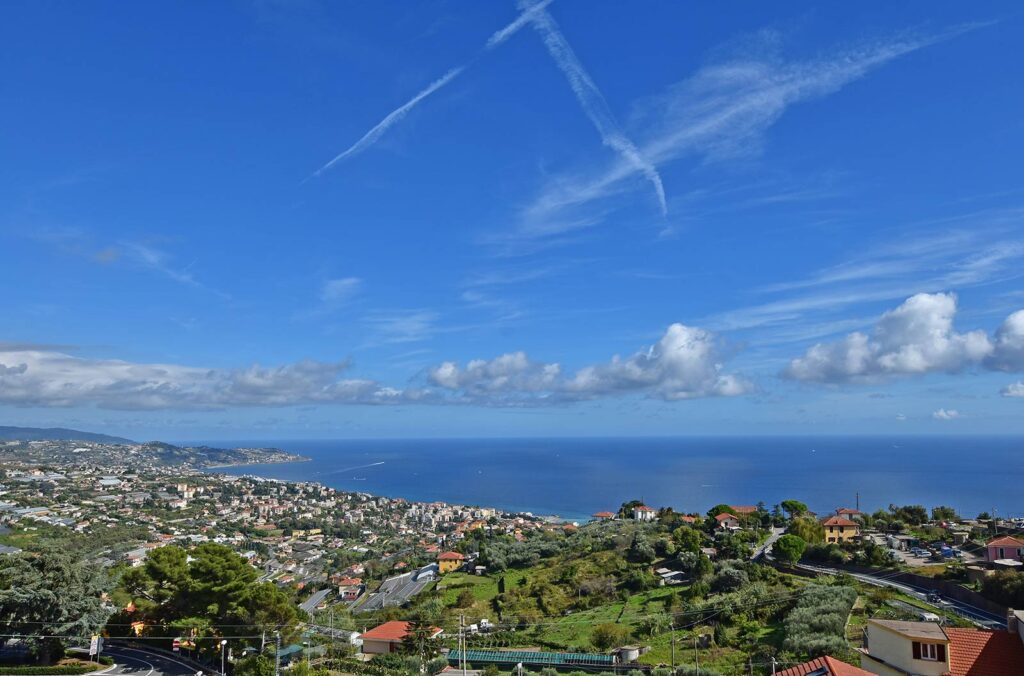
One of Coldirodi’s most appealing characteristics is its position overlooking the surrounding landscape.

Bay of Ospedaletti

From different points around the village, the views extend towards the Bay of Ospedaletti, San Remo and the green hills that rise behind the coast.

Bay of San Remo

The panorama changes as you move through the village. Some streets open towards the sea, while others look across the countryside, where terraces and Mediterranean vegetation remain characteristic features of the landscape.

The gardens of Villa Luca provide another opportunity to appreciate the setting.

For visitors, these views are part of the pleasure of discovering Coldirodi. For those considering buying a property here, they can also be an important attraction, particularly when a house or apartment benefits from a well-positioned terrace or outdoor space.

Naturally, not every property in Coldirodi has a sea view. Orientation, position and the surrounding buildings all make a difference.

Everyday Life in Coldirodi

What distinguishes Coldirodi from many picturesque villages is that it remains a functioning residential community.

There is a supermarket, a pharmacy, local bars and places to eat, together with a primary school and a lower secondary school. These everyday facilities make the village more practical than its hillside setting might initially suggest.

The pace of life is different from central San Remo. The village square, local businesses and familiar faces are part of the daily routine, particularly outside the summer tourist season.

For a wider choice of shops, restaurants, entertainment and other services, San Remo is only a short drive away. The city offers a lively cultural calendar, excellent sporting opportunities and a wide range of activities throughout the year. You can discover more about living in San Remo in our dedicated article.

This balance between village life and access to a larger coastal town can be particularly appealing to international buyers looking for somewhere to spend extended holidays or several months of the year.

Continue reading Coldirodi, San Remo: Discover a Village Above the Italian Riviera →

Triora: witches, witch trials and Halloween in the Italian Riviera

Credit: Liguria.info

Mention the Italian Riviera and most travellers picture the Mediterranean: colourful coastal towns, palm lined promenades, beaches and small harbours.

Less than an hour inland, Liguria tells a very different story.

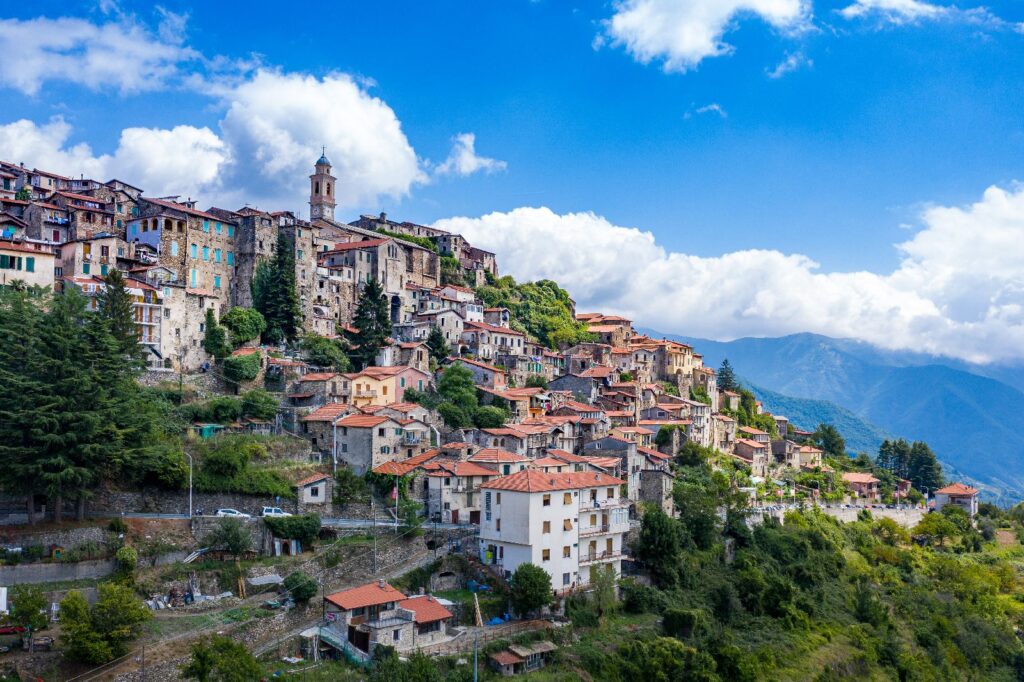
High above the coast, surrounded by forests and mountains, Triora is a medieval village of stone houses and narrow passageways that has become known throughout Italy as the “village of witches”.

This reputation is not simply a modern Halloween invention. It originates in a series of witch trials that began here in 1587 and left such a mark on the village that, more than four centuries later, they remain part of Triora’s cultural identity.

That makes Halloween here rather different from Halloween almost anywhere else in Italy.

From the Mediterranean to the mountains

Triora sits at around 780 metres above sea level in the upper Argentina Valley, in the Province of Imperia in western Liguria.

The journey itself is part of the experience. Leaving the coast near Arma di Taggia, the road follows the valley northwards as Mediterranean vegetation gradually gives way to wooded slopes and mountain scenery.

Triora appears above the valley as a compact medieval settlement of stone buildings, arches, covered alleys and small squares.

It is an excellent reminder of something international visitors sometimes overlook: the Italian Riviera is not just a narrow strip of coastline. Behind Sanremo and the seaside towns lies an extensive hinterland of valleys and historic villages with their own architecture, food and traditions.

Triora is one of its most distinctive examples.

The real story behind the “village of witches”

Credit: Imperia tv

The story begins in 1587, during a severe famine.

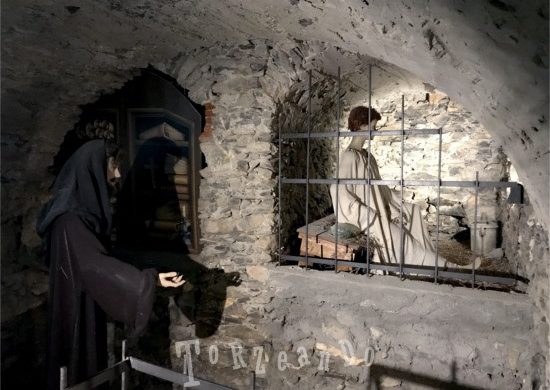
In a society where religious belief, superstition and fear of supernatural forces were closely intertwined, suspicion began to fall on local women who were accused of causing crop failures and other misfortunes through witchcraft.

Around twenty people were imprisoned as investigations began. Interrogations involved torture and at least two women died during the proceedings.

One was Isotta Stella, whose death following torture is documented in the historical records.

The severity of the investigation eventually became controversial even at the time. In January 1588, Triora’s local authorities wrote to the government of the Republic of Genoa to complain about the methods being used and to question accusations extracted under torture.

Another name to survive in the records is Franchetta Borelli, who continued to deny being a witch despite being subjected to severe interrogation.

The surviving documents are important because they separate the historical Triora witch trials from the legends that developed around them. Records of arrests, accusations and torture exist. Stories of witches gathering secretly at night belong largely to local folklore.

The original trial documents are preserved in the State Archives of Genoa, while copies and historical material can be seen in Triora.

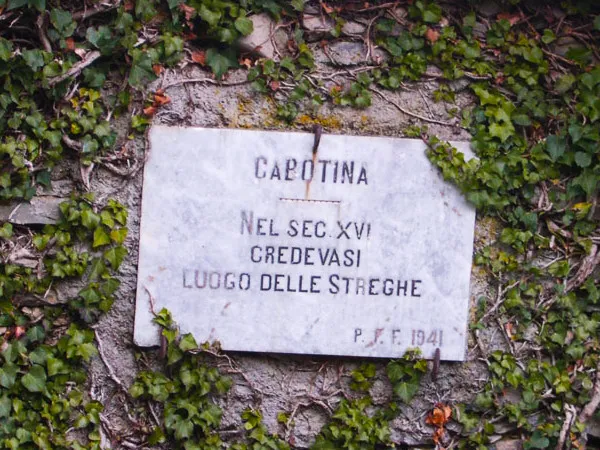
The Cabotina: history or legend?

Credit: Trioradascoprire

Located just outside the historic centre, this small stone structure has traditionally been described as a meeting place for local witches.

There is no documentary evidence that such gatherings actually took place there.

No visit to Triora’s witch story is complete without the Cabotina.

That distinction is part of what makes Triora interesting. The village does not offer a single neat story. Historical evidence and centuries of folklore coexist, sometimes becoming difficult to separate.

Today the Cabotina is both a symbol of that tradition and a panoramic point overlooking the Argentina Valley.

Understanding Triora beyond the legends

The best place to put the witch trials into context is the Museum of Triora, dedicated to local history, rural culture, ethnography and witchcraft.

Rather than treating the events purely as a horror story, the museum helps visitors understand the society in which the accusations took place.

The everyday life of a sixteenth century mountain community, its beliefs and fears provide a far more interesting background to the trials than the familiar modern image of witches with broomsticks and pointed hats.

Over time, however, Triora has also embraced the identity that history gave it.

References to witches can now be found throughout the village, from local crafts to cultural events. Rather than disappearing into an archive, the events of the sixteenth century have become one of the ways in which this remote Ligurian community tells its story to contemporary visitors.

Halloween in Triora 2026

Credit: Viaggiare da soli

It is therefore easy to understand why Halloween in Triora feels unusually appropriate.

For 2026, the Municipality of Triora has announced a three day programme running from Friday 30 October to Sunday 1 November, with the main celebrations taking place on Halloween itself.

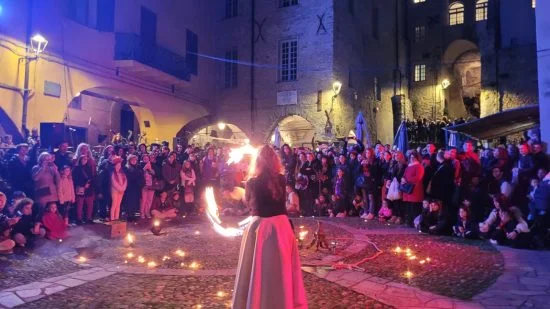
The historic centre becomes the setting for performances, music and events connected with folklore and horror culture.

Some parts of the programme draw directly on Triora’s identity. There are talks exploring witchcraft and folklore, events at the Civic Museum and activities throughout the medieval centre.

After dark, the mood becomes more theatrical, with Krampus figures moving through the village, performances at the Castle, fire shows, video mapping and vertical dance.

Celebrations continue on Sunday with a programme that also includes activities for families.

Yet the most interesting part of Halloween in Triora may be the setting itself.

Between events, visitors can disappear into covered medieval passageways, walk to the Cabotina, visit the museum or simply look across the darkening mountains of the Argentina Valley.

Unlike many Halloween events created around an artificial theme, Triora already has the history, architecture and landscape.

A different Italian Riviera

Triora is worth discovering even if Halloween is not the reason for your visit.

It shows just how dramatically Liguria can change within a relatively short distance.

On the coast are Sanremo, Bordighera, Ospedaletti and the Mediterranean. Inland are chestnut woods, mountain roads and villages where stone houses have stood for centuries.

For international visitors familiar with the Côte d’Azur or the Italian Riviera, this proximity can be surprising. The coastline and the Alps are not separate destinations here. They belong to the same geography.

It also explains why some people who discover western Liguria eventually begin looking beyond the seaside when considering a home in Italy.

Living in a medieval Ligurian village

A different way to experience Liguria

Triora reveals a side of Liguria that feels very different from the coast: stone houses, mountain landscapes, forests and the slower rhythm of a historic village.

For those who visit and find themselves wondering what it might be like to spend more time here, LiguriaHomes Casamare & Hamptons currently has a property for sale in the historic centre of Triora.

Discover the stone house for sale in Triora, Ref. 7T07

Whale Watching in Liguria: A Unique Summer Experience on the Italian Riviera

Photo credit: Visit Bordighera

There are experiences that reveal the Italian Riviera from a different perspective. Whale watching in Liguria is one of them.

From the coast, Western Liguria is often admired for its pastel towns, elegant seafront promenades, historic villas, beaches, cycling paths and hillside villages. But just beyond the harbours of Andora, Imperia and San Remo, the Ligurian Sea opens onto a marine world of surprising depth and beauty.

For families, nature lovers and international visitors discovering this part of Italy, a whale watching excursion is more than a summer activity. It is a reminder of what makes the Liguria lifestyle so special: direct contact with the sea, a mild Mediterranean climate, authentic local experiences and a coastline where everyday life remains closely connected to nature.

Whale Watching in Western Liguria

The charm of whale watching lies in its simplicity. You leave the harbour, the coast slowly moves into the background, and the open sea becomes the centre of attention.

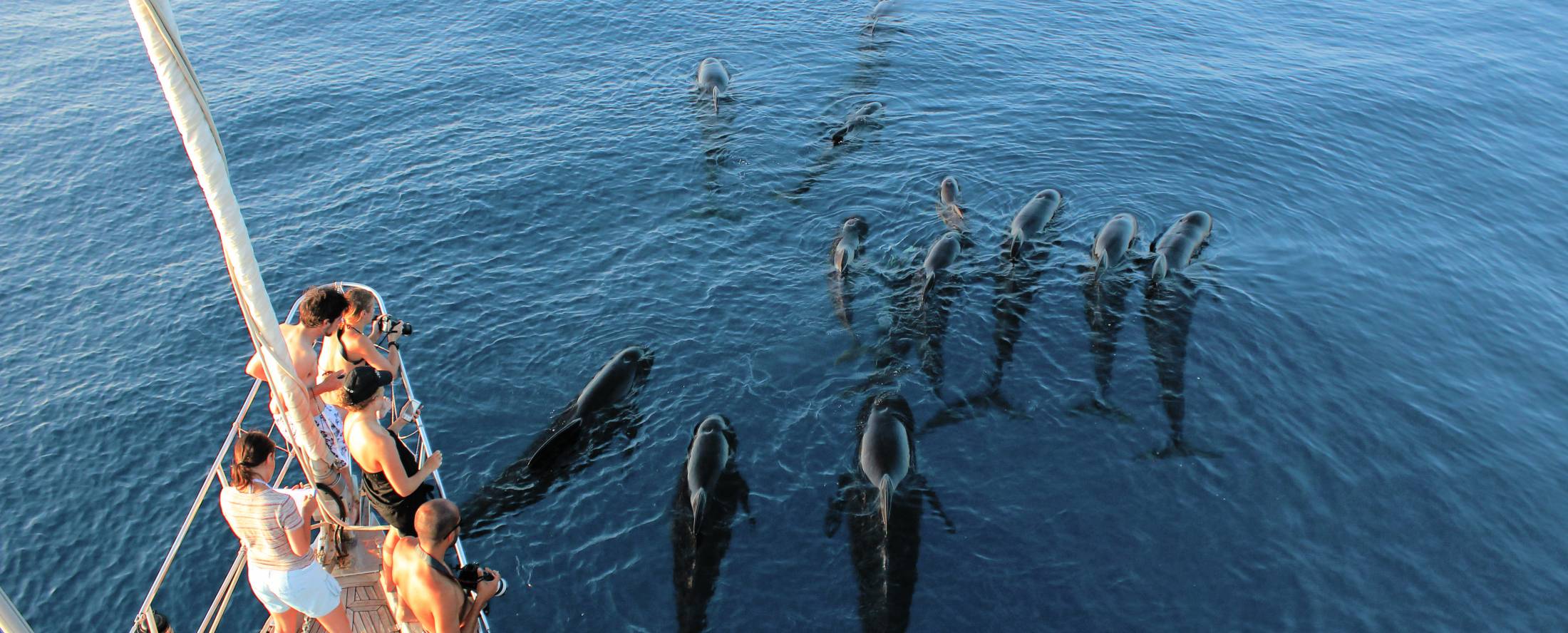
There are no guaranteed sightings, and this is part of the experience. Dolphins and whales are wild animals, moving freely through a vast marine area. The real value of the excursion is the chance to observe the sea with patience and respect, while discovering one of the most important natural habitats in the Mediterranean.

For those looking at property for sale in Liguria, this kind of activity helps explain why the region is so attractive. Western Liguria is not only about beaches and beautiful towns. It offers a way of life where nature, culture and everyday comfort are closely connected.

Departures from Andora, Imperia and San Remo

Whale watching excursions are usually available from several points along the coast, including Andora, Imperia and San Remo.

Andora is ideal for families who want to combine the experience with a relaxed day by the sea. Imperia offers a strong maritime identity, with its ports and seafront atmosphere. San Remo adds the charm of one of the best known towns on the Italian Riviera, with its promenade, marina, cycle path and elegant town centre.

This variety of departure points makes whale watching easy to include in a summer stay along the coast.

The Pelagos Sanctuary and the Cetaceans of the Ligurian Sea

The waters off Liguria are part of the Pelagos Sanctuary for Mediterranean Marine Mammals, an international protected marine area created by Italy, France and the Principality of Monaco.

The Sanctuary includes the Ligurian Sea and is recognised for the regular presence of several cetacean species, including dolphins, sperm whales and fin whales. This makes whale watching in Liguria not just a tourist activity, but a way to discover a marine ecosystem of real importance.

For this reason, excursions should always be approached with respect for the animals and their environment.

The Italian Riviera Lifestyle, Beyond Summer

Whale watching is a seasonal experience, but the lifestyle it represents belongs to Western Liguria all year round.

Living or owning a second home here means having access to the sea, coastal walks, open air activities, historic villages, local food, mild winters and authentic Mediterranean landscapes. Whether it is a sea view apartment in San Remo, a villa near Imperia or a holiday home close to Andora, homes for sale on the Italian Riviera offer much more than a place to stay.

They offer access to a way of life.

Discover Homes for Sale on the Italian Riviera

At LiguriaHomes Casamare & Hamptons, we help Italian and International buyers discover Western Liguria through its properties, towns and lifestyle.

Whether you are looking for a second home by the sea, a villa with panoramic views or a long term investment on the Italian Riviera, our team can guide you with local expertise and an international approach.

Valle Argentina: Liguria’s Authentic Outdoor Lifestyle Between Mountains and Sea

From 5th to 7th June 2026, Festivalle Argentina will bring outdoor sports, nature and local culture to Molini di Triora, in the heart of one of Western Liguria’s most authentic valleys.

For many international visitors, it will be an opportunity to discover a side of Liguria that still feels genuine, quiet and deeply connected to its landscape. Valle Argentina is a valley of mountain trails, medieval villages, olive groves, rivers and stone houses, just a short drive from the beaches of the Riviera.

Festivalle Argentina is the perfect editorial starting point to look at this area not only as a destination for outdoor activities, but also as an emerging lifestyle location for those who want to experience Liguria in a more active and authentic way.

Discovering Valle Argentina, One of Western Liguria’s Most Authentic Valleys

Valle Argentina follows the course of the Argentina River from the Ligurian Alps down towards the Mediterranean coast. Along the way, it passes through a landscape of forests, terraced hillsides, historic villages and panoramic mountain roads.

Places such as Molini di Triora, Badalucco, Montalto Carpasio and Taggia reveal a different rhythm of life. Here, the connection between people, nature and local traditions remains strong. The villages are made of narrow stone streets, ancient houses, small squares and family run restaurants where Ligurian cuisine is still linked to the territory.

The valley is also part of the wider identity of the Italian Riviera. This is what makes it so interesting for international buyers and travellers. In less than an hour, it is possible to move from mountain trails and quiet inland villages to the sea, the cycle path, marinas, beaches and the lively coastal towns of Western Liguria.

It is this contrast, and this proximity, that gives Valle Argentina its growing appeal.

An Outdoor Lifestyle Destination in Liguria

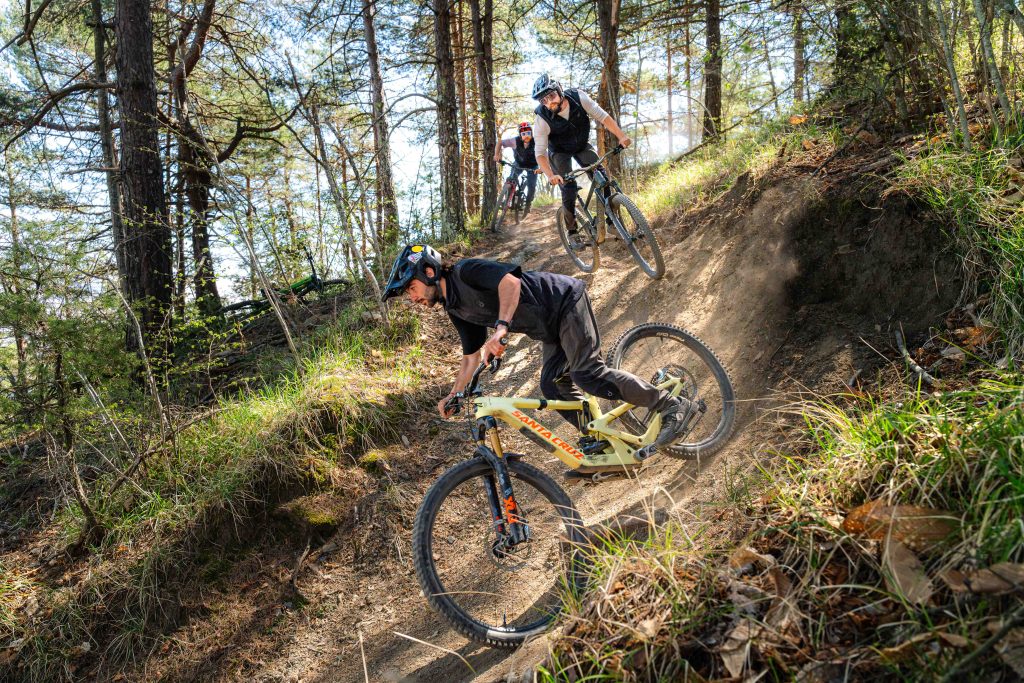
Valle Argentina is becoming increasingly attractive for people who love outdoor living. Its natural setting offers ideal conditions for mountain biking, e biking, trail running, trekking, climbing and canyoning, with routes that pass-through forests, rivers, ridges and historic mule tracks.

For mountain bikers and e bike enthusiasts, the valley offers a varied terrain, from scenic routes through olive groves and villages to more technical trails in the higher part of the valley. Trail runners and hikers find an extensive network of paths, often with remarkable views over both the mountains and the sea.

The area also has a strong appeal for those who enjoy slower forms of exploration. Walking from one village to another, discovering old chapels, stone bridges, panoramic viewpoints and small local restaurants is part of the experience.

Compared with more established outdoor destinations, Valle Argentina still has a more intimate and understated character. It feels less exposed, less commercial and more closely tied to the daily life of the territory. For many people, this is exactly its strength.

Continue reading Valle Argentina: Liguria’s Authentic Outdoor Lifestyle Between Mountains and Sea →

Garlenda Golf Club Properties for Sale: Exclusive Living on the Italian Riviera

For many international buyers, owning a property within a golf community is about much more than access to the course. It is a lifestyle choice that combines privacy, security, natural surroundings and a relaxed pace of life, all within a well maintained residential environment.

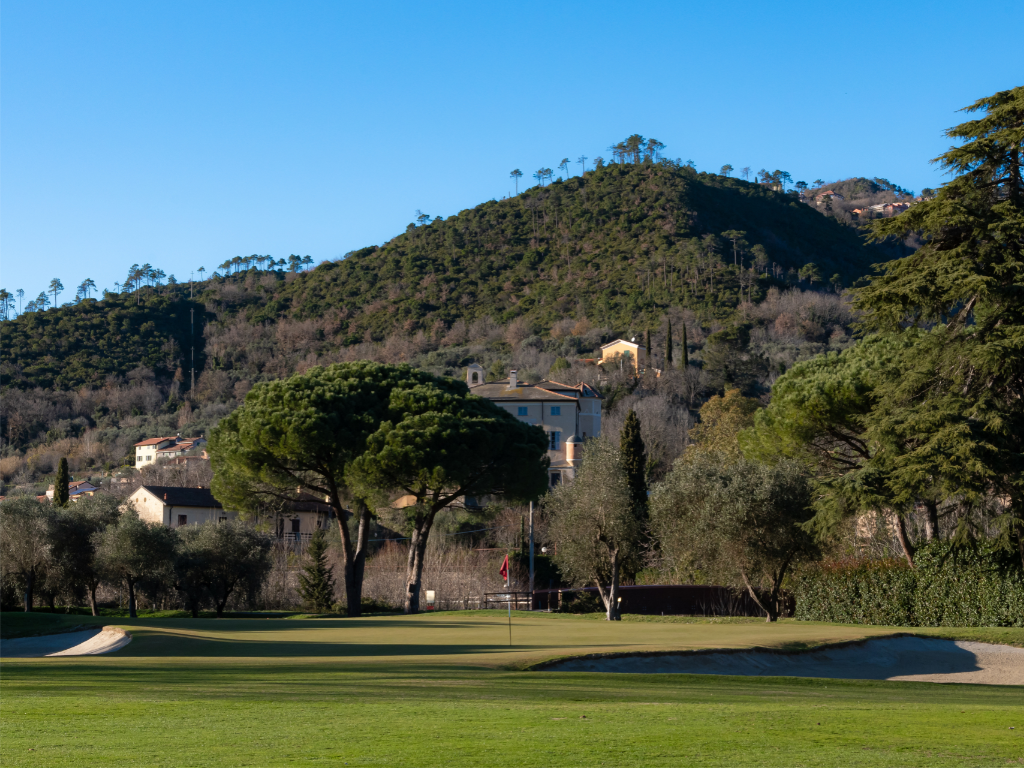
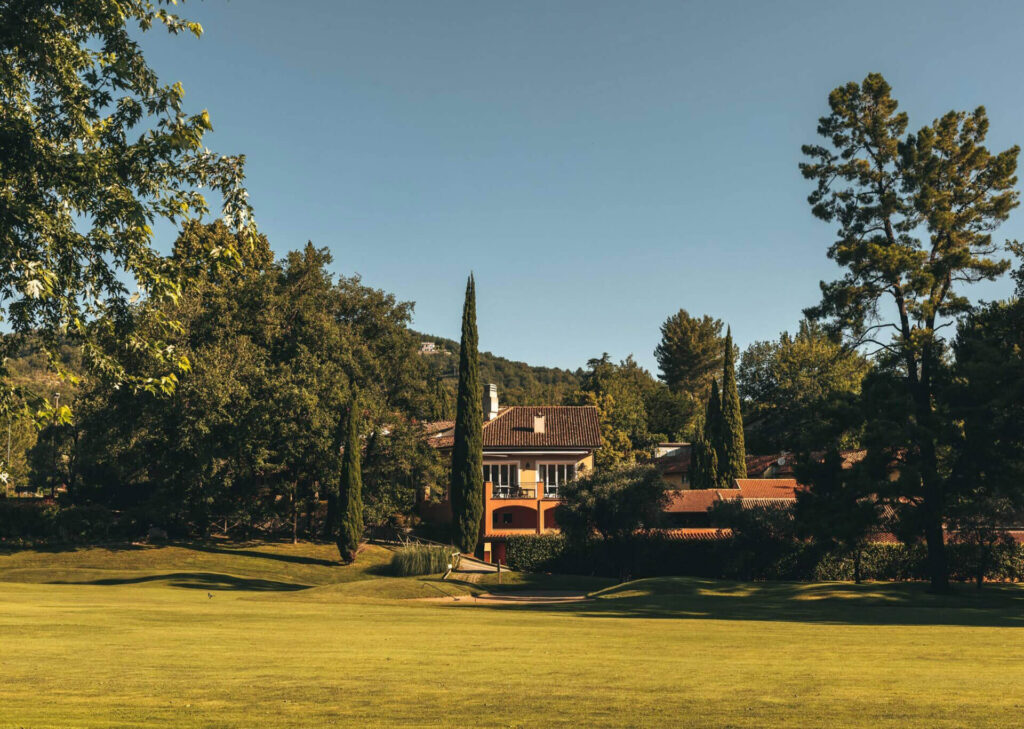
In Liguria, few locations offer this combination as successfully as the area surrounding the prestigious Garlenda Golf Club. Nestled among the rolling hills of Western Liguria and just a short drive from the Mediterranean coast, Garlenda has become one of the region’s most sought after destinations for golf enthusiasts and property buyers looking for an authentic Italian lifestyle.

Why Buy a Property in a Golf Community?

Golf communities continue to attract buyers from across Europe thanks to the unique lifestyle they offer. Beyond the sporting aspect, these environments are appreciated for their tranquillity, open spaces and strong sense of community. Unlike many busy coastal resorts, living within a golf club allows residents to enjoy privacy and greenery while remaining close to restaurants, beaches, marinas and everyday services. This balance between convenience and tranquillity is one of the main reasons why golf properties remain highly desirable among second home buyers and retirees alike.
In Liguria, these advantages are complemented by a mild climate, beautiful landscapes and easy access from major European cities, making the region particularly attractive for year round living as well as holiday use.

Continue reading Garlenda Golf Club Properties for Sale: Exclusive Living on the Italian Riviera →